When it comes to the consumption of various alcoholic drinks and beverages, Indonesia has a wide range of liquors with distinct tastes and flavours. Indonesian liquors, ranging from traditional rice wine to herbal spirits and liqueurs, provides consumers with a glimpse into the country’s rich history and cultural heritage.
Exploring the world of Indonesian liquors is a must-do experience for any seasoned drinker or adventurous traveller. This article will look at some of the best liquors in the country and drinks that locals say you should try.
Indonesia Liquors, A Guide For Expat in Indonesia About Wine, Arak, and Indonesian Spirits
Indonesia is not only rich in cuisine and culture, but also boasts a variety of unique local alcoholic beverages, each with its own story.
From the fermentation of palm sap to traditional distillation processes, every region has its own distinctive concoction, not merely a drink, but an integral part of its drinking culture. Indeed, many of these are used in traditional ceremonies or serve as symbols of community spirit among local people.
10 Type of Indonesian Alcohol
Here are 10 types of traditional Indonesian spirits that are well worth getting to know better.
Cap Tikus
This alcoholic drink from Minahasa, North Sulawesi, was originally called sopi, just like the Maluku drink. Like beer and spirits, several local brands are available to serve this alcoholic drink, and some bottles of these alcoholic drinks are already exported to other countries as well.
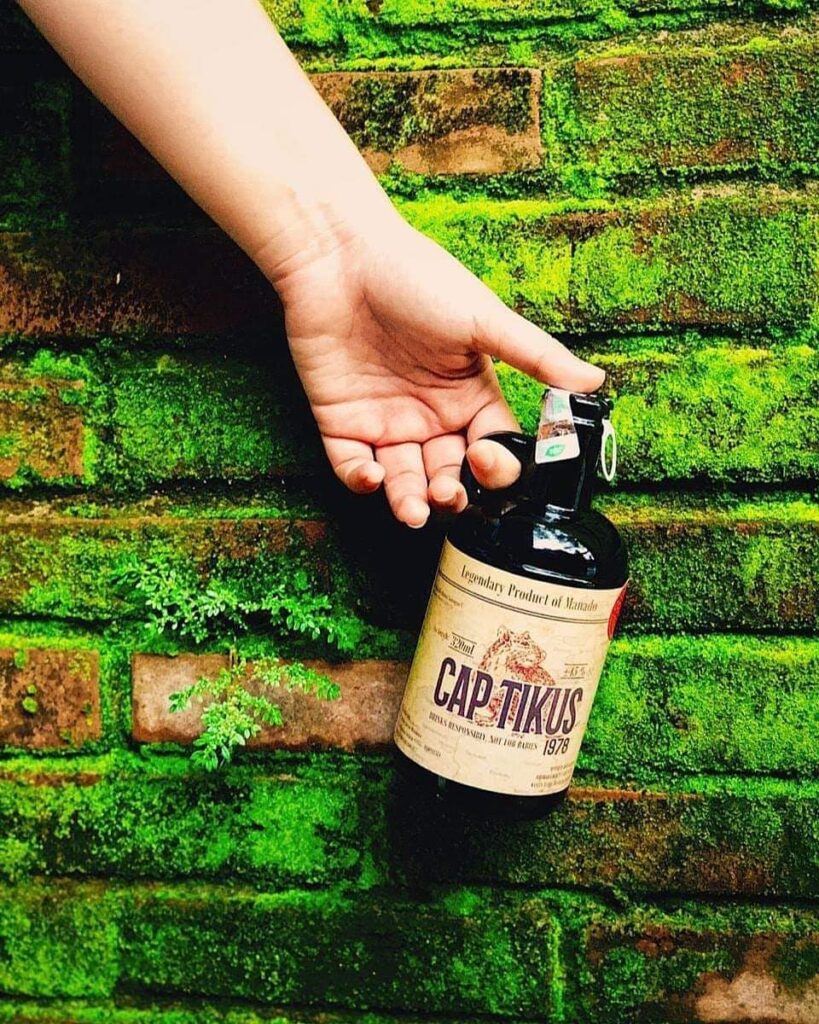
Around 1829, Minahasa government military students discovered sopi in the form of a bottle with a rat’s tail on it, which was sold by locals and sold to Chinese traders at Amsterdam Fort in Manado. Finally, the Minahasa people refer to the drink as Cap Tikus. Since then, the recipe has been passed from generation to generation.
Cap Tikus is created by fermenting and distilling the sap of a palm or palm tree flower bunch. The Minahasa people have long known about drinking the drink, which is typically consumed at traditional ceremonies, parties, and special events.
The alcohol content of this liquor is relatively high, but it depends on the distillation process. During alcohol production, the taste is best, and the alcohol content of illegal liquor is highest in the first distillation process, which can be up to 45%. The levels are then reduced to 20% – 30% in the second and third distillations.
Bali Arak
Lihat postingan ini di Instagram
Bali Arak or Arrack is one of the most famous traditional alcoholic drinks in Indonesia, originating specifically from the island of Bali. This drink is produced through the fermentation and distillation of ingredients such as coconut sap, palm wine or rice, and has a fairly high alcohol content, ranging from 20–50 per cent.
More than just a drink, arak holds spiritual significance in Balinese culture. It is often used in religious ceremonies as an offering, whilst also featuring in the social life of the community. Nowadays, Bali’s arak is even being used to create modern cocktails, demonstrating how tradition can adapt to contemporary lifestyles.
Ciu
Ciu originates from Central Java, particularly the regions of Solo and Bekonang, and is known for its strong character. Made from fermented cider molasses of sugarcane, ciu has a high alcohol content, ranging from 30–70%, with a sharp taste and a burning sensation in the throat.
Although often regarded as a drink of the common people, the process of making ciu is actually quite complex and similar to that of international spirits such as vodka. Currently, some local producers are beginning to develop ciu of higher quality and with modern packaging to change its negative stigma.
Sopi
Sopi is a traditional drink from East Nusa Tenggara (NTT), particularly Flores. Made from the fermentation of palm sap, sopi has a fairly high alcohol content, usually around 30–50 per cent.
Interestingly, sopi is not just about taste, but also a symbol of togetherness. In local tradition, sopi is often shared from a single vessel as a sign of brotherhood. Its presence at various traditional ceremonies makes it an integral part of the local community’s social life.
Tuak Batak
Tuak Batak is a traditional drink from North Sumatra made from the fermentation of palm sap or coconut sap. Its alcohol content is relatively low, around 4–15 per cent, with a sweet and slightly tart flavour reminiscent of cider.
Lihat postingan ini di Instagram
For the Batak people, tuak is not merely a drink, but an integral part of their social culture. Tuak is often present at traditional events such as weddings and family gatherings, serving as a symbol of camaraderie and togetherness.
Ballo
One of the most iconic Indonesian liquors can be found in South Sulawesi. It is called Ballo. These spirits are made from lontar tree sap and are typically served in bamboo cups. Sweet ballo and kacci ballo are the two types of ballo.
Sweet ballo, as the name suggests, has a sweet and subtle flavour and an alcohol content of up to 10%. Meanwhile, the flavour of ballo kacci has become sharper, sourer, and stronger.
Ballo is frequently served as one of the must-have alcoholic drinks at traditional ceremonies and ritual, parties, or social gatherings among neighbours. Besides the culture, this spirit and gin are alcoholic drinks that are frequently mixed and consumed to keep the body healthy and warm.
Making ballo is also simple. Palm tree water is stored for several hours. The same water also produces a drinkable alcohol liquid.
Bali Brem
Bali Brem is an alcoholic drink with a milder character than arak. Made from fermented glutinous rice, brem has an alcohol content of around 5–15 per cent and a sweet, slightly tart flavour.
Brem is often used in religious ceremonies in Bali, but is also popular as a casual drink. Uniquely, brem is not only available in liquid form, but also in a solid form which is often sold as a typical Balinese souvenir.
Saguer
Saguer is a traditional drink from North Sulawesi and Maluku made from palm sap. Its alcohol content is relatively low, around 4–10 per cent, with a sweet taste and a slight natural carbonation.
Due to its rapid traditional fermentation process, saguer usually needs to be consumed shortly after being made. This drink is often enjoyed in a relaxed setting or at social gatherings, making it a sort of local ‘natural beer’.
Bir Pletok
Bir pletok is a unique traditional Betawi, Jakarta, rich in cultural significance. Although it is called ‘beer’, this drink contains absolutely no alcohol. Instead, bir pletok is made from a blend of warming and health-promoting spices, making it a ‘halal beer’ alternative created by the Betawi people.
Lapen
Lapen originates from Yogyakarta and is known as a rather extreme alcoholic drink. It is usually made by mixing pure alcohol with water and flavourings, meaning its alcohol content can be very high.
As the production process is not always standardised, lapen is often associated with health risks if consumed carelessly. Nevertheless, it remains part of the local drinking culture that is flourishing in urban communities.
Overview: Indonesia Drinking Culture
From arak to tuak, every traditional Indonesian alcoholic drink has its own unique story. It’s not just about the taste or alcohol content, but also about culture, tradition, and the ways in which communities foster a sense of togetherness.
That said, it’s important to exercise caution when learning about and consuming alcoholic beverages, particularly as some varieties have a fairly high alcohol content and vary in their production processes. Previously, we also looked at Indonesian beer variants such as Bintang, Sababay and also the spiced rum that features a very iconic Captain Morgan image on the bottle.