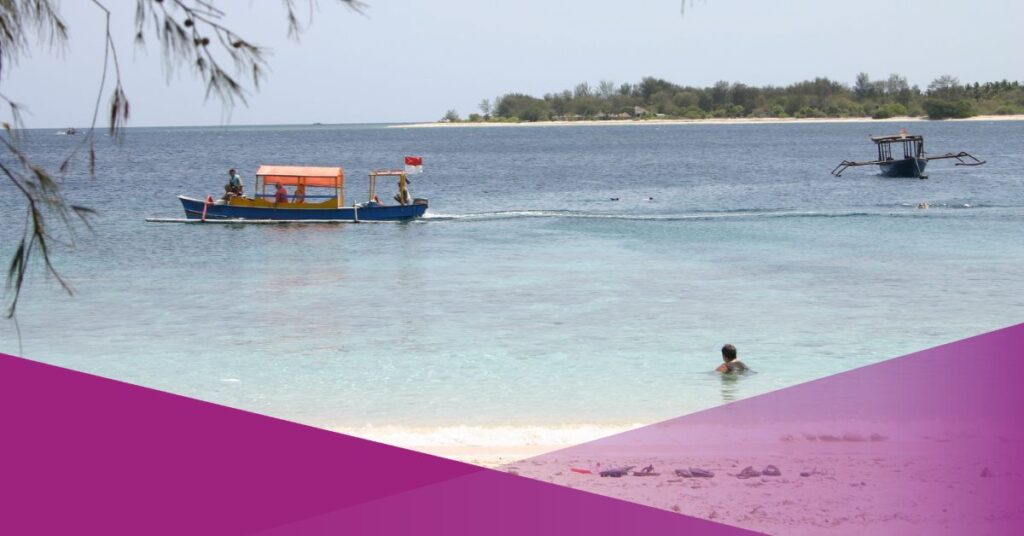
For many remote workers, Bali is a destination for digital nomads for good reason: start the morning with your laptop, wrap up your workday surrounded by tropical scenery, and spend your free time discovering a culture that feels worlds away from home. As more countries offer digital nomad visas, Indonesia has introduced a dedicated option for those looking to live while working remotely in Indonesia.
The Bali digital nomad visa, commonly referred to as the Digital Nomad Visa Indonesia, is linked to Indonesia’s Remote Worker Visa (E33G visa). The programme is designed for foreign nationals working for companies based outside Indonesia, allowing them to enjoy Indonesia as a long-term visa destination without entering the local labour market. If you are considering whether to apply for a digital nomad visa, understanding the visa requirements is an important first step.
What Is the Remote Worker Visa?
The E33G Remote Worker Visa is a specialised visa for foreign nationals employed by a company outside Indonesia. It allows eligible remote workers to reside in Indonesia while continuing their overseas employment, making it an option for professionals who want to experience Bali or other parts of the country without working for an Indonesian company.
The visa can provide a stay of up to one year, with the possibility of extending for another year, subject to the applicable requirements. For those planning to turn Indonesia into their base while maintaining an overseas career, it offers a more structured alternative to short-term visa programmes designed for visitors.
Visa Validity
The official Digital Nomad Visa program allows digital nomads to stay in Indonesia for extended period, as this visa is valid for 1 year and extendable.
Who is Eligible for Digital Nomad?
To be eligible for the Remote Worker Visa, you must meet the following criteria:
- You must be employed by a foreign company outside of Indonesia.
- You must demonstrate a minimum annual income of at least USD 60,000 through verifiable bank statements showcasing your salary or other income sources.
- You must provide proof of sufficient funds, with a minimum balance of USD 2,000 or equivalent in your personal bank statements over the last three months.
- You will need a valid passport with at least six months remaining validity, a recent photograph, and other supporting documents such as proof of residence in Indonesia.
How to apply for a Digital Nomad Visa
The application process for the Remote Worker Visa is streamlined and can be completed online. Here are the steps to apply:
Gather Documents
Ensure you have all the required documents, including your passport, personal bank statements, employment contract, and photograph.
Submit Application
Apply online through the official government visa portal.
Wait for Approval
The application will be processed in eight to ten days.
Enter Indonesia
Once the visa is issued, you must enter Indonesia within 90 days.
Obtain ITAS and MERP
Upon entering Indonesia, you will need to obtain your Limited Stay Permit (ITAS) and Multiple Exit Re-Entry Permit (MERP).
Key Benefits That You Will Get for Remote Work
The Remote Worker Visa offers several key benefits that make it an attractive option for digital nomads:
- You can leave and return to Indonesia as many times as you like during the validity period of your visa.
- You can bring along eligible family members to stay with you in Indonesia for up to one year.
- The visa allows you to stay in Indonesia for up to one year, with the option to extend for another year.
- The online application process is quick and efficient, making it easier to navigate the bureaucratic requirements.
What You Need to Remember When Applying
While the Remote Worker Visa is designed to facilitate remote work in Indonesia, there are some important considerations to keep in mind:
- You are strictly prohibited from working for a company in Indonesia or earning money in Indonesia by engaging in for-profit activities.
- Ensure you comply with local laws and regulations, respect local customs, and have sufficient living expenses.
Alternatives to Remote Worker Visa Indonesia
If the Remote Worker Visa does not meet your needs, there are alternative visa options available:
- B211a Visit Visa: This visa allows you to stay in Indonesia for up to six months and is suitable for digital nomads who do not meet the income requirements for the Remote Worker Visa.
- Working ITAS: Live and work in Indonesia through legal working permit and stay Visa.
- Other Visas: Depending on your situation, you may also consider other visas such as the Tourist Visa, Business Visa, Visa on Arrival, or Work Visa.
Planning to Work Remotely from Bali?
Bali may make the decision to move feel easy. Choosing the right immigration arrangement is where the details matter.
The Remote Worker Visa (E33G) can offer an attractive route for eligible professionals who want to live in Indonesia while working with a company overseas. But eligibility, permitted activities and supporting documentation should be reviewed carefully before you apply.
Lets Move Indonesia, a subsidiary of LMI Consultancy, assists expatriates and international professionals with Indonesia visa applications and immigration arrangements.
Through its broader Immigration Consultation, Legal and Business Setup Consultation, and Tax Consultation in Indonesia and ASEAN, Lets Move Indonesia can also support clients whose plans extend beyond simply obtaining a visa ; from establishing a business to understanding their wider compliance responsibilities in Indonesia.
Read more about Remote Worker Visa Indonesia through this link.
Ready to Make Indonesia Your Next Home?
Making sure your stay in Indonesia is properly structured and compliant is the right place to start.
Speak with Lets Move Indonesia to explore the visa options available to you and begin your Indonesia journey with the right legal foundation.
Speak with our consultants today and claim your complimentary one-hour consultation.