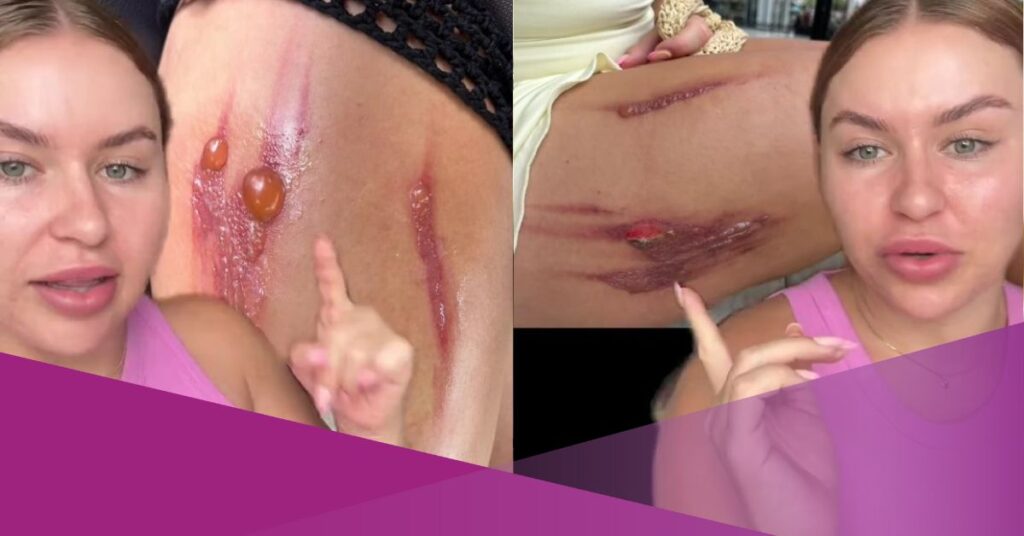
An Australian tourist has warned other travellers about the ‘Bali bug’ that attacked him. The insect blistered her skin.
In a TikTok video she shared on her @nataliesineadd account, she said she experienced a bad story while on vacation in Bali.
While on vacation, she initially only saw red marks on her legs. At first, she didn’t think it was anything serious until her skin was so sore that she called the doctor.
@nataliesineadd Replying to @Joeline🌸 It’s still super sore, but I think it’s slowly healing. #fakebody ♬ original sound – Natalie🌸
“On Thursday morning, I noticed a very, very faint little red mark on my leg. I just monitored it throughout the day, and it started to burn. It wasn’t until Friday morning when I woke up that it was already quite red and forming a lot of blisters; it got worse from there,” she said.
She went to the doctor, and Natalie was told that her severe skin irritation was caused by tomcat beetles, which she had never heard of before.
The doctor gave Natalie topical creams and antibiotics. She was grateful to have caught the skin irritation early rather than have the symptoms develop further.
She also urges other travellers to be careful and take simple precautions to help them avoid what she experienced.
Tomcat bites
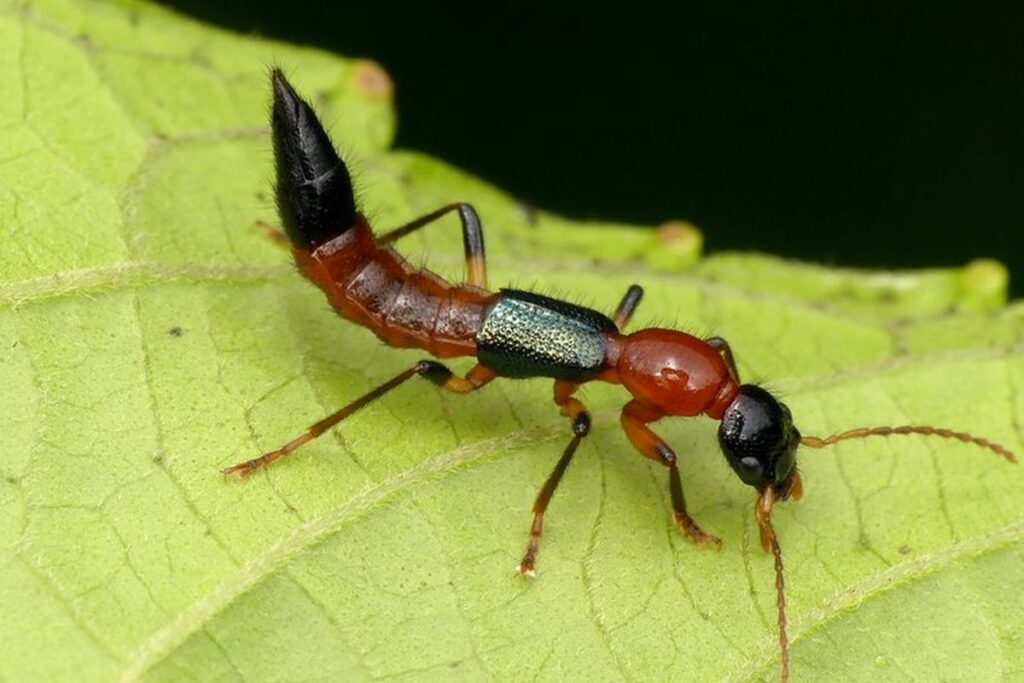
Tomcats, also known as Charlie ants, have toxins that can cause inflammation of the skin, known as dermatitis. The toxin paederin (C25H45O9N), present in the body of tomcat insects, causes itching and blistering of the skin.
Measuring only 7 to 10 mm long, these black and red insects can easily be mistaken for ants and are highly toxic despite not biting or stinging.
Instead, they release a powerful blistering toxin when brushed or pounded on the skin, causing burning, stinging, itching and blistering.
In addition to human skin, tomcats will release their venom on surrounding objects such as clothing, bed linen and towels.
How to treat Tomcat bites
Here’s how to treat bites from tomcat insects that you should know.
Washing the skin attacked by tomcats
The first way is to wash the skin attacked by tomcats. You can wash the area using clean water and soap.
Compress the wound with cold water
Next, you can compress the wound with cold water before giving it medicine. You can use an ice bag or a towel soaked in cold water.
Using medicine
The next way is to use medicines containing iodine or hydrocortisone ointment with low doses, which can be a medicine to treat symptoms due to tomcat bites.
Undergoing a medical examination
If the wound from the tomcat attack gets worse and starts to bother you, you can have a medical examination immediately to get further treatment.